|
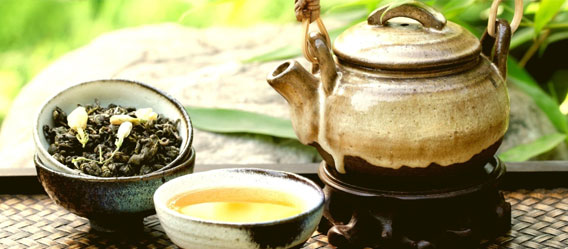
The year is 2737 B.C. The Emperor Shennong of China sits outdoors, under the shade of a tree, when the wind blows some stray leaves into a pot of boiling water. The Emperor sips the hot water, and to his surprise discovers that the leaves have infused his drink with a relaxing and refreshing taste; he has discovered tea. From then on, tea is prized and enjoyed by all Asians, from the common laymen, to the court officials, to the reigning Emperor himself.
5,000 years later, tea has become a worldwide business, producing more than 5 billion pounds of dried tea leaves a year. The drinking of tea has become ritualized throughout Asia and Europe in a variety of forms, ranging from the Japanese tea ceremony, to the afternoon teatime of the English. The enduring popularity of tea can be attributed not only to its aromatic tastes and relaxing effects, but also to its proven results for ensuring health and longevity.
 The actual origins of tea are so ancient, they can only be traced to the rumored legend about Emperor Shennong. Written records, however, attest to the popularity of tea as far back as the tenth century B.C. By the sixth century A.D., tea was a thriving business throughout both China and Japan. In 800 A.D., Lu Yu, who is popularly called “The Father of Tea,” composed the first definitive treatise on tea, the Ch’a Ching, which codified the various and complex methods for tea cultivation and preparation, already well developed in ancient China. After Asia had enjoyed a monopoly on tea for 4,000 years, tea was finally imported to Europe in 1610 by Dutch traders. Within 40 years, the Dutch traders were importing tea not only throughout Europe, but to the American colonies as well. The popularity of this formerly exotic Asian drink skyrocketed in the European market. In 1657, English coffee houses began offering tea, and this new drink soon outranked coffee as the favorite afternoon drink. Tea consumption rose exponentially, from 40,000 pounds in 1699 to an astonishing 240,000 pounds by 1708.
With the dramatic rise in the popularity of tea, a controversy arose over effects of drinking tea on bodily health. From 1635 to 1657, doctors and university officials in Dutch society engaged in heated debates over the probable side effects of drinking tea. Although these doctors formed no conclusion in the 17th century, the public’s opinion was already clear: tea was in Europe to stay. After centuries of global popularity and research, the Dutch debate about tea’s effects on health has been resolved by modern science, identifying tea as an ideal contributor to good health.
 Tea leaves naturally contain amino acids, antioxidants, and various minerals, all of which play a key role in promoting a balanced, healthy body. Scientists have identified seven of eight essential amino acids in tea; these acids cannot be produced by the human body, and therefore must be ingested through select foods or drinks, such as tea. These amino acids act as the building blocks of proteins and enzymes; each amino acid provides its own function, ranging from repairing tissues, building cells, forming antibodies to counter bacteria and viruses, building DNA and RNA, and regulating hormones. These amino acids not only aid our bodily health, but also enhance the taste and aroma of tea.
Tea also contains many powerful antioxidants. Most recently, antioxidants in green tea have been shown to deter the onset of cancer. Dr. Hasan Mukhtar, a dermatologist at Case Western Reserve University, established convincing evidence in 2000 that the antioxidants in green tea can prevent cancer from developing, or slow its progress. Non-oxidized teas (such as a green, yellow, and white teas) contain higher levels of antioxidants, whereas oxidized teas (including black and oolong teas) have lower levels. Both, however, provide similar health benefits, and both contain vitamins C and E.
With these proven health benefits, tea continues to increase in popularity throughout the world, encouraging the continued development of a global tea market. Most teas are imported from Asia, where the tropical and subtropical climates and elevations are better suited for tea cultivation; India and China far outrank most other countries as leading tea producers. Although wild tea plants can grow as high as 30 feet, the commercial tea plant is pruned to a height of only 3 or 4 feet. The plants take three to five years to mature, whereupon the plant will produce new shoots every one or two weeks in warm weather. These new shoots are then picked either by hand or by mechanical pluckers to provide the tea leaves for brewing.
Most teas can be classified as one of three kinds: black, green, and oolong. All teas are derived from the same plant, Camellia Sinensis; the differences in teas result from the tea manufacturing process, not the tea plant. Although the same plant is grown globally to produce every variety of tea, the locale and season of the leaves’ cultivation will affect the taste and quality of the tea.
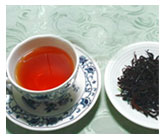 Black tea derives its name from the brownish-black color of its dried leaves. After being plucked, these leaves are spread on shelves. Here, the leaves are blown with air to remove excess moisture, making the leaves soft and flexible. These leaves are then crushed between the rollers of a machine in order to release their flavorful juices. In the most important step, the tea leaves are taken to a fermenting room, where they change chemically under carefully controlled humidity and temperature, until the leaves turn coppery in color. As the last step, the leaves are dried in ovens, where they finally assume their trademark brownish-black color. China, Java, India, and Sri Lanka rank as the top producers of black teas.
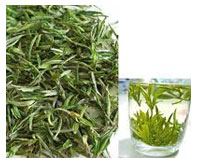 Green teas, on the other hand, have a much simpler production process. The leaves are steamed in large vats; the steaming prevents the leaves from losing their natural green color. These leaves are then crushed in a machine and dried in ovens. Most green teas are grown in China and Japan.
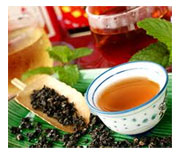 Oolong teas are a cross between green and black teas. Oolong teas are made by partially fermenting the leaves, which causes them to assume a greenish-brown color. Originally grown in the Fukien province of China, the highest grade oolong teas (the Formosa Oolongs) are now cultivated in Taiwan.
Teas are identified by their color, grade, and origin. The origin of the tea is important to note, because teas grown in different areas vary in taste, flavor, and quality, even if they undergo similar cultivation and drying processes. Many teas are infused with the additional scent of a fragrant flower, such as chrysanthemum, rose, or osmanthus. The most popular of the scented teas is Jasmine tea, which adds the sweet scent of blooming Jasmine flowers to green tea leaves; the flower’s scent is released along with the tea when the leaves are soaked in hot water, imparting the sweet aroma of blooming Jasmine flowers to the hot drink. If you already have a favorite type of tea, try a scented version, which will incorporate new and delightful fragrances to your accustomed taste.
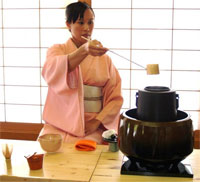 With such a wide variety of teas, cultures around the world have developed their own unique habits and uses for tea and tea-time. In Japan, tea ceremonies consist of ritual actions which must all be learned by heart; almost each hand movement is carefully prescribed by tradition. Many Japanese take lessons with a teacher before hosting their own tea ceremonies in traditional Japanese rooms, which can be found in cultural community centers or private homes. In the ceremony, the host serves a powdered green tea, called matcha, to his guests; like the host, the guests must also follow the traditional movements of the ceremony when drinking their tea. An appreciation of tea, however, does not require any ritual as elaborate as the Japanese tea ceremony. You can develop your own unique enjoyment of tea and its benefits with a basic understanding of teas and teaware.
The choice of tea is largely dependent upon individual preferences in taste. Over 90% of tea consumed in the United States is black, with its appealing, hearty flavor and amber brew. The more delicate taste and light golden-green color of green teas have recently gained popularity in the American market, largely due to publicity from scientific studies linking green tea to reduced cancer risk. Green tea is a staple tea in the Orient, and is the tea of choice in the Japanese tea ceremony. Oolong tea is also a favorite in China, and will appeal to those who seek a median between black and green teas. Time and exposure to the various teas available will soon determine your individual tastes and favorite tea brews. Mrs. Lin’s Kitchen encourages you to peruse the various teas available under our grocery section when selecting the tea of your choice.
Certain standards for measuring the quality of tea leaves apply to all types of teas. The color, smell, and taste of the teas weigh most heavily into the decision process. All of these, however, depend upon the tea leaves themselves. Leaves should have an even and consistent color, which will translate into an even and consistent taste and smell after they have been brewed. High grade tea leaves are hand-picked, and therefore these consist primarily of large and whole leaves. Mechanically picked tea leaves, on the other hand, are often cut into smaller pieces, because the machines cannot harvest whole leaves as human pickers can. While dry, however, top-grade leaves may appear smaller, because they are often tightly rolled in order to impart a more consistent flavor once brewed. The easiest way to gauge the size and shape of the tea leaves is to remove and examine the leaves after they have been soaked in hot water. Top-grade, hand-picked leaves will contain fewer stems, which are difficult to weed mechanically. The higher the quality the tea leaf, the more aromatic and tasteful the brewed tea. The best tea leaves can often be soaked several times without losing their consistently fragrant taste and smell.
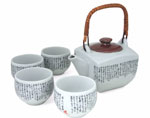 To properly brew high-quality tea leaves, some basic teaware is necessary. A basic tea set, consisting of a tea pot and several tea cups, usually ranges in price from $30 to $80. Tea cups can also be purchased individually, or in sets ranging from four to six cups. Some cups are tall, glazed mugs; other cups are petite, shallow bowls. The selection of tea cups’ size and style largely depends upon individual preference. The smaller cups are ideal for gatherings of friends, where the friends gather around a pot of tea, refreshing their cups amidst the pleasant conversation. Try matching a tea set with your table and dinnerware, and serving your family and guests hot tea with their next Asian-style meal. The larger cups, on the other hand, are ideal for curling up with on a cold night; instead of hot chocolate, try inhaling the warm steam of a freshly brewed cup of tea.
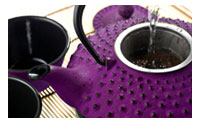 The tea pot plays an integral role in the tea brewing process. The material and size of the tea pot ought to be carefully considered before purchase. Smaller tea pots are ideal for individual servings of tea; but large gatherings of friends may require larger pots, or else hot water must frequently be added to the pot. Most pots are ceramic; these standard, ceramic tea pots serve well for brewing various types of tea. More specialized tea pots, however, include the cast iron tetsubin or the clay Yixing tea pots. The cast iron material of the tetsubin naturally accumulates in the boiling water, infusing your tea with this essential mineral to further ensure your health and longevity. The Yixing tea pot is individually handmade from purple clay found near the Yangtze River. Use of these tea pots, from the Yixing region of China, dates back to the Ming dynasty. Because these clay pots are not glazed, the clay naturally absorbs the tea being brewed. With time, the pot assumes the flavor and aroma of the tea brewed within it, and all tea subsequently brewed is imbued with the enhanced flavor, aroma, and color from the tea sediment accumulated within the clay pot.
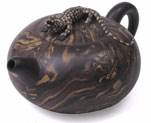 Many experts insist that each Yixing pot ought to be dedicated solely to an individual type of tea, in order to ensure the unique and consistent infusion of tea flavor and fragrance for each pot. A wide assortment of tea pots, ranging from the simpler ceramic pots, to the cast iron tetsubin and clay Yixing tea pots, can all be found at Mrs. Lin’s Kitchen. All tea leaves and teaware offered by Mrs. Lin’s Kitchen boast the highest quality production and materials in order to ensure the best tea-drinking experience possible. Many experts insist that each Yixing pot ought to be dedicated solely to an individual type of tea, in order to ensure the unique and consistent infusion of tea flavor and fragrance for each pot. A wide assortment of tea pots, ranging from the simpler ceramic pots, to the cast iron tetsubin and clay Yixing tea pots, can all be found at Mrs. Lin’s Kitchen. All tea leaves and teaware offered by Mrs. Lin’s Kitchen boast the highest quality production and materials in order to ensure the best tea-drinking experience possible.
With the proper tea leaves and teaware, anyone can develop their own unique appreciation of tea. Tea is brewed by pouring approximately one cup of boiling water per teaspoon of tea leaves. Less water and more leaves will provide a heavier brew with a more noticeable taste; more water and less leaves, on the other hand, will result in a lighter and more delicate taste and aroma. The tea should soak for at least three to five minutes in boiling water before being served, in order to ensure that the water has been consistently infused with the leaves’ flavor and scent. Once ready, serve the tea, then sit down and deeply inhale the relaxing aroma of freshly brewed tea. Share a pot with your friends, or snuggle up by yourself for a little quiet time. Either way, the essential nutrients and soothing flavor will soon boost your mental and physical well-being. Mrs. Lin’s Kitchen invites you to share and enjoy the experience of tea with yourself and your loved ones |
|
|
OUR 2003 NEWSLETTERS
Discover Your Cup of Tea
The Mythical of Dragon and Phoenix
Korean Celadon
The Art of Japanese Cuisine
Chinese Horoscope
The History and Art of Tea
A Taste of The Philippines
The Dimsum Experience, Part II
The Dimsum Experience, Part I
The Art of Paper Cutting
Feng Shui for the Home
New Year's in Asia
NEWSLETTER ARCHIVES
2011
2010
2009
2008
2007
2006
2005
2004
2003
2002
2001
MAY WE SUGGEST:
Bronze Coin Cast Iron Tea Set (T1902)
Blue Cherry Blossom Tea Collection Set (T2002)
Four Colored Dragonfly Japanese Tea Cup Set (T1993)
Grey Yixing Clay Tea Warmer (T1696) |



 The actual origins of tea are so ancient, they can only be traced to the rumored legend about Emperor Shennong. Written records, however, attest to the popularity of tea as far back as the tenth century B.C. By the sixth century A.D., tea was a thriving business throughout both China and Japan. In 800 A.D., Lu Yu, who is popularly called “The Father of Tea,” composed the first definitive treatise on tea, the Ch’a Ching, which codified the various and complex methods for tea cultivation and preparation, already well developed in ancient China. After Asia had enjoyed a monopoly on tea for 4,000 years, tea was finally imported to Europe in 1610 by Dutch traders. Within 40 years, the Dutch traders were importing tea not only throughout Europe, but to the American colonies as well. The popularity of this formerly exotic Asian drink skyrocketed in the European market. In 1657, English coffee houses began offering tea, and this new drink soon outranked coffee as the favorite afternoon drink. Tea consumption rose exponentially, from 40,000 pounds in 1699 to an astonishing 240,000 pounds by 1708.
  Tea leaves naturally contain amino acids, antioxidants, and various minerals, all of which play a key role in promoting a balanced, healthy body. Scientists have identified seven of eight essential amino acids in tea; these acids cannot be produced by the human body, and therefore must be ingested through select foods or drinks, such as tea. These amino acids act as the building blocks of proteins and enzymes; each amino acid provides its own function, ranging from repairing tissues, building cells, forming antibodies to counter bacteria and viruses, building DNA and RNA, and regulating hormones. These amino acids not only aid our bodily health, but also enhance the taste and aroma of tea.
  Black tea derives its name from the brownish-black color of its dried leaves. After being plucked, these leaves are spread on shelves. Here, the leaves are blown with air to remove excess moisture, making the leaves soft and flexible. These leaves are then crushed between the rollers of a machine in order to release their flavorful juices. In the most important step, the tea leaves are taken to a fermenting room, where they change chemically under carefully controlled humidity and temperature, until the leaves turn coppery in color. As the last step, the leaves are dried in ovens, where they finally assume their trademark brownish-black color. China, Java, India, and Sri Lanka rank as the top producers of black teas.
 Oolong teas are a cross between green and black teas. Oolong teas are made by partially fermenting the leaves, which causes them to assume a greenish-brown color. Originally grown in the Fukien province of China, the highest grade oolong teas (the Formosa Oolongs) are now cultivated in Taiwan.
  With such a wide variety of teas, cultures around the world have developed their own unique habits and uses for tea and tea-time. In Japan, tea ceremonies consist of ritual actions which must all be learned by heart; almost each hand movement is carefully prescribed by tradition. Many Japanese take lessons with a teacher before hosting their own tea ceremonies in traditional Japanese rooms, which can be found in cultural community centers or private homes. In the ceremony, the host serves a powdered green tea, called
  To properly brew high-quality tea leaves, some basic teaware is necessary. A basic
 Many experts insist that each Yixing pot ought to be dedicated solely to an individual type of tea, in order to ensure the unique and consistent infusion of tea flavor and fragrance for each pot. A wide assortment of tea pots, ranging from the simpler ceramic pots, to the